As a supplier of các găng tay robot phục hồi chức năng, I often receive inquiries from clients about various aspects of our products, and one question that comes up quite frequently is: Are các găng tay robot phục hồi chức năng easy to clean? This is a crucial concern for both end - users and chăm sóc sức khỏe providers, as maintaining proper hygiene is essential when using y tế equipment. In this blog, I'll delve into the cleaning process of các găng tay robot phục hồi chức năng, its ease, and offer insights to help you make an informed decision.
The Construction of các găng tay robot phục hồi chức năng Affects Cleaning
các găng tay robot phục hồi chức năng are sophisticated devices designed to hỗ trợ bệnh nhân in bàn tay and ngón tay phục hồi chức năng. They typically consist of multiple components, including the găng tay itself, các cảm biến, actuators, and sometimes electronic kiểm soát units. The materials used in the găng tay part are often a combination of soft fabrics, such as neoprene or nylon, which are in direct contact with the user's skin, and more rigid plastic or metal parts for structural hỗ trợ and housing the electronic components.
The choice of materials plays a significant role in determining how easy the các găng tay are to clean. Soft fabrics can absorb sweat and body oils from the user, but they are generally machine - washable or can be wiped down with a damp cloth. For example, a găng tay made of high - quality neoprene can resist moisture and is not easily stained. It can usually be bàn tay - washed in mild soapy water and then rinsed thoroughly. The plastic and metal parts, on the other bàn tay, are more durable and can be cleaned with disinfectant wipes or a giải pháp of water and a mild cleaning agent.
Step - by - Step Cleaning Process
- Pre - cleaning inspection: Before starting the cleaning process, it is important to inspect the găng tay for any visible dirt, debris, or damage. Remove any loose particles, such as dust or lint, from the surface of the găng tay. Check the electronic components for any signs of water damage or malfunction. If there is any damage, it is advisable to contact the manufacturer or a professional technician for further advice.
- Soft fabric cleaning: For the fabric part of the găng tay, follow the manufacturer's instructions. If it is machine - washable, place it in a mesh laundry bag to protect it from damage during the wash cycle. Use a mild detergent and set the machine to a gentle cycle. Avoid using bleach or harsh chemicals, as they can damage the fabric and the electronic components. After the wash, air - dry the găng tay in a well - ventilated area. Do not use a dryer, as the high heat can warp the plastic parts and damage the các cảm biến.
- Cleaning of plastic and metal parts: Use a soft, damp cloth to wipe down the plastic and metal parts of the găng tay. For more stubborn stains, you can use a giải pháp of water and a small amount of mild dish soap. Avoid getting excessive moisture into the electronic compartments. After cleaning, dry the parts thoroughly with a clean, dry cloth. You can also use disinfectant wipes to sanitize the surfaces, which is especially important in a chăm sóc sức khỏe setting.
- cảm biến and actuator cleaning: các cảm biến and actuators are critical components of the găng tay robot phục hồi chức năng, and they require special care. Use a dry, clean cloth to gently wipe the surfaces of the các cảm biến and actuators. Avoid using liquids directly on these parts, as they can cause short - circuits or damage the delicate components. If there is a need to remove more stubborn dirt, it is best to consult the manufacturer for specific cleaning instructions.
Ease of Cleaning Compared to Other phục hồi chức năng Equipment
When compared to other bàn tay ngón tay phục hồi chức năng Equipments and Physiotherapy Equipment, các găng tay robot phục hồi chức năng are generally quite easy to clean. Some larger phục hồi chức năng machines may have complex structures with hard - to - reach areas that can accumulate dirt and moisture. In contrast, the relatively compact and modular design of các găng tay robot phục hồi chức năng allows for easier access to all parts of the thiết bị during the cleaning process.
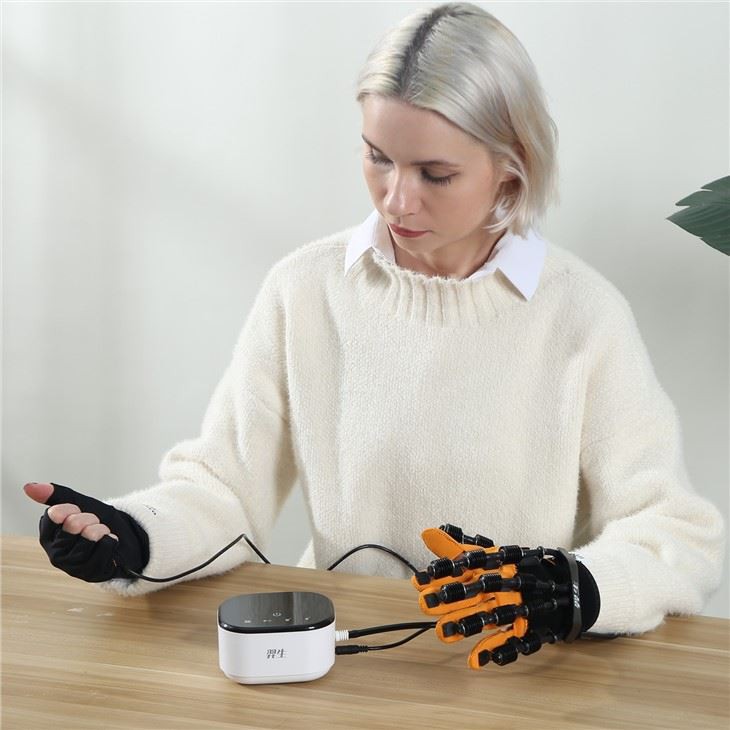
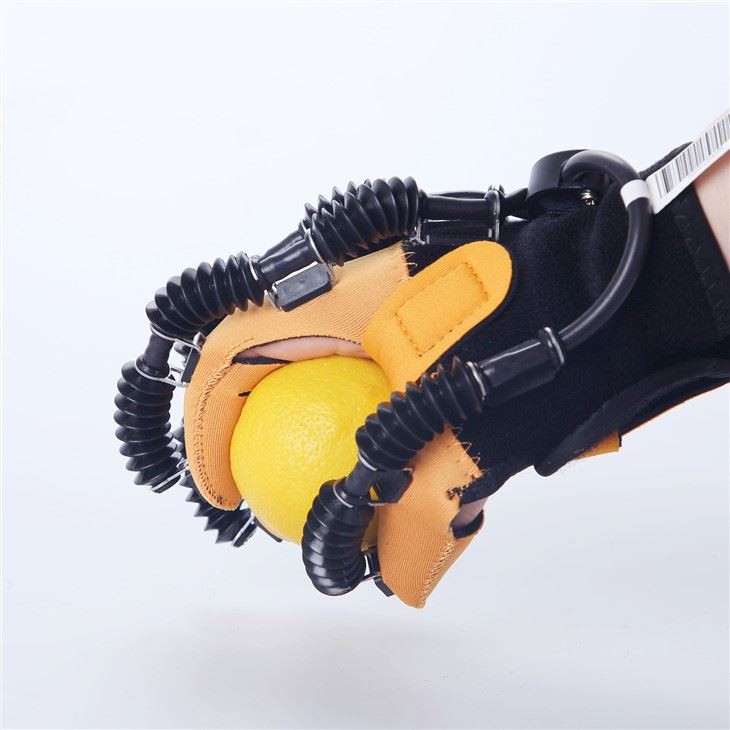
Moreover, the materials used in các găng tay robot phục hồi chức năng are often chosen for their durability and ease of maintenance. Many fabric components are resistant to staining and can withstand regular cleaning. The plastic and metal parts are also designed to be robust, making them less prone to damage during the cleaning process.
Importance of Regular Cleaning
Regular cleaning of các găng tay robot phục hồi chức năng is not only important for maintaining hygiene but also for ensuring the proper functioning of the thiết bị. Sweat and body oils can gradually build up on the surface of the găng tay, which can affect the performance of the các cảm biến and actuators. Dirt and debris can also cause mechanical wear and tear on the moving parts of the găng tay. By cleaning the các găng tay regularly, you can extend their lifespan and ensure that they continue to provide accurate and hiệu quả phục hồi chức năng liệu pháp.
Cleaning in Different Settings
- Home use: For bệnh nhân using các găng tay robot phục hồi chức năng at home, regular cleaning can be incorporated into their daily routine. It is simple and can be done easily by following the steps mentioned above. Home users should clean the các găng tay after each use, especially if they have been sweating during the phục hồi chức năng session.
- chăm sóc sức khỏe facilities: In hospitals, clinics, and phục hồi chức năng centers, the cleaning requirements are more stringent. các găng tay should be cleaned and disinfected between each user to ngăn ngừa the spread of infectious diseases. chăm sóc sức khỏe providers should follow strict protocols and may use more powerful disinfectants được phê duyệt for y tế equipment. However, even in these settings, the design of our các găng tay robot phục hồi chức năng makes the cleaning process relatively straightforward.
Comparison with Similar Products in the thị trường
There are several ngón tay Training bàn tay Robotic phục hồi chức năng thiết bị available in the thị trường, and the ease of cleaning varies among different products. Some products may have complex designs that make it difficult to access all parts for cleaning, or they may use materials that are not as resistant to staining or damage. Our các găng tay robot phục hồi chức năng, on the other bàn tay, are designed with ease of cleaning in mind. The modular construction allows for easy disassembly and reassembly, and the choice of materials ensures that they can withstand regular cleaning.
Conclusion and Invitation to Purchase
In conclusion, các găng tay robot phục hồi chức năng are indeed easy to clean. Their design, choice of materials, and modular construction make the cleaning process straightforward and hassle - free. Whether used at home or in a chăm sóc sức khỏe facility, regular cleaning of these các găng tay is essential for maintaining hygiene and ensuring proper functionality.
If you are interested in our các găng tay robot phục hồi chức năng, or if you have any further questions about the cleaning process or other aspects of our products, we invite you to get in touch for further procurement discussions. Our team of experts is ready to provide you with detailed information and hỗ trợ to meet your phục hồi chức năng equipment needs.
References
- Smith, J. D. (2020). A Guide to the Maintenance of y tế phục hồi chức năng Equipment. Journal of phục hồi chức năng công nghệ, 15(2), 34 - 42.
- Johnson, R. M. (2019). Material Selection for Durable and Easy - to - Clean y tế Devices. y tế Equipment Journal, 12(3), 22 - 30.