Exoskeleton các găng tay, a remarkable sáng tạo in thoải mái sử dụng công nghệ, have emerged as a game - changer in various industries. As a leading supplier of exoskeleton các găng tay, I've witnessed firsthand how these devices can significantly nâng cao work efficiency. In this blog, I'll delve into the science and practical applications behind how exoskeleton các găng tay cải thiện work efficiency.
Understanding Exoskeleton các găng tay
Exoskeleton các găng tay are wearable devices designed to augment the strength, precision, and endurance of the human bàn tay. They typically consist of a nhẹ frame, các cảm biến, actuators, and kiểm soát systems. The các cảm biến detect the user's bàn tay movements, and the actuators provide additional force to hỗ trợ with gripping, lifting, and manipulating objects.
One of the key advantages of exoskeleton các găng tay is their ability to giảm the physical strain on workers. In many industries, such as manufacturing, logistics, and chăm sóc sức khỏe, employees are required to perform repetitive tasks that can lead to fatigue, musculoskeletal disorders, and reduced productivity. Exoskeleton các găng tay help alleviate these issues by providing hỗ trợ and assistance during manual work.
Enhancing Grip Strength and Precision
One of the most significant ways exoskeleton các găng tay cải thiện work efficiency is by enhancing grip strength and precision. In manufacturing settings, workers often need to handle small, delicate components or heavy tools. Exoskeleton các găng tay can provide additional force to the các ngón tay and thumb, allowing workers to grip objects more securely and accurately.
For example, in the electronics ngành công nghiệp, workers assemble tiny circuit boards and components. The precision required for these tasks is extremely high, and even a slight tremor or lack of grip strength can lead to errors. Exoskeleton các găng tay can compensate for these limitations, enabling workers to perform their tasks with greater accuracy and speed.
In the construction and automotive industries, workers frequently use power tools that require a strong grip. Exoskeleton các găng tay can giảm the effort required to hold these tools, minimizing fatigue and allowing workers to work for longer periods without a decrease in performance.
Reducing Fatigue and Preventing Injuries
Another important benefit of exoskeleton các găng tay is their ability to giảm fatigue and ngăn ngừa injuries. Repetitive bàn tay movements, such as gripping, squeezing, and pinching, can cause cơ fatigue and đau over time. This can lead to decreased productivity and an increased risk of work - related injuries, such as carpal tunnel syndrome and tendonitis.
Exoskeleton các găng tay can distribute the workload more evenly across the bàn tay and forearm, reducing the stress on individual các cơ and tendons. By providing hỗ trợ and assistance during repetitive tasks, these các găng tay can help workers maintain their performance levels for longer periods.
In chăm sóc sức khỏe, for example, nurses and caregivers often need to lift and transfer bệnh nhân. These tasks can be physically demanding and put a lot of strain on the các bàn tay and các cánh tay. Exoskeleton các găng tay can hỗ trợ with these movements, reducing the risk of injuries to chăm sóc sức khỏe workers and improving the overall quality of bệnh nhân care.
Improving Dexterity and phạm vi chuyển động
Exoskeleton các găng tay can also cải thiện dexterity and phạm vi chuyển động, which is crucial for many tasks. In some industries, such as art restoration and jewelry making, workers need to perform intricate bàn tay movements with a high degree of kiểm soát. Exoskeleton các găng tay can nâng cao these capabilities by providing additional hỗ trợ and phản hồi to the user.
The các cảm biến in exoskeleton các găng tay can detect the position and chuyển động of the các ngón tay, allowing for more precise kiểm soát. This can be particularly useful in tasks that require fine vận động skills, such as operating surgical instruments or assembling complex mechanical parts.
Applications in Different Industries
Exoskeleton các găng tay have a wide range of applications in various industries.
Manufacturing
In manufacturing, exoskeleton các găng tay can be used for tasks such as assembly, packaging, and quality kiểm soát. They can help workers handle parts more efficiently, giảm errors, and increase production rates. For example, in a furniture manufacturing plant, workers can use exoskeleton các găng tay to handle heavy wooden boards and assemble furniture pieces more quickly and accurately.
Logistics
In the logistics ngành công nghiệp, workers are often required to lift, carry, and stack heavy packages. Exoskeleton các găng tay can provide additional strength and hỗ trợ, making these tasks easier and less physically demanding. This can lead to increased productivity and a reduced risk of injuries among warehouse workers.
chăm sóc sức khỏe
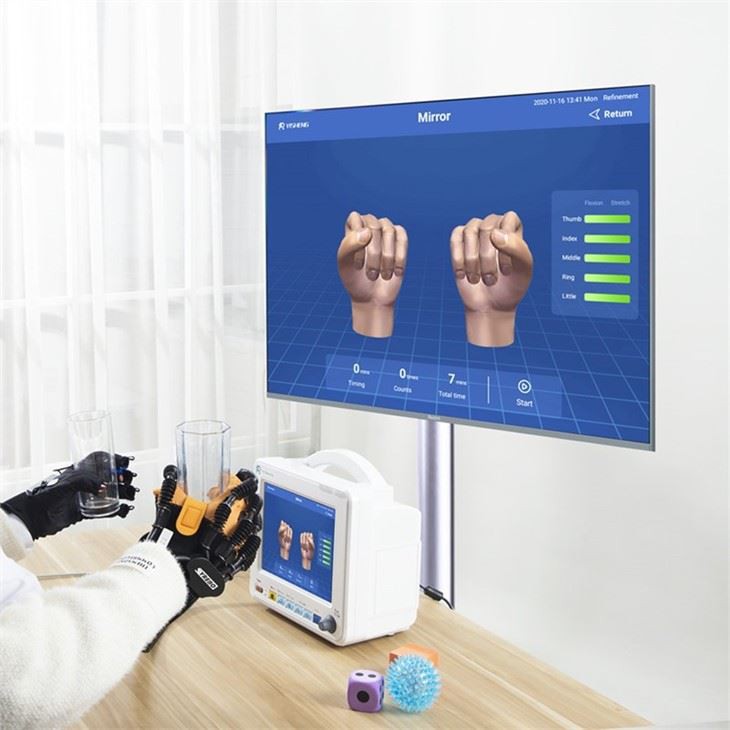
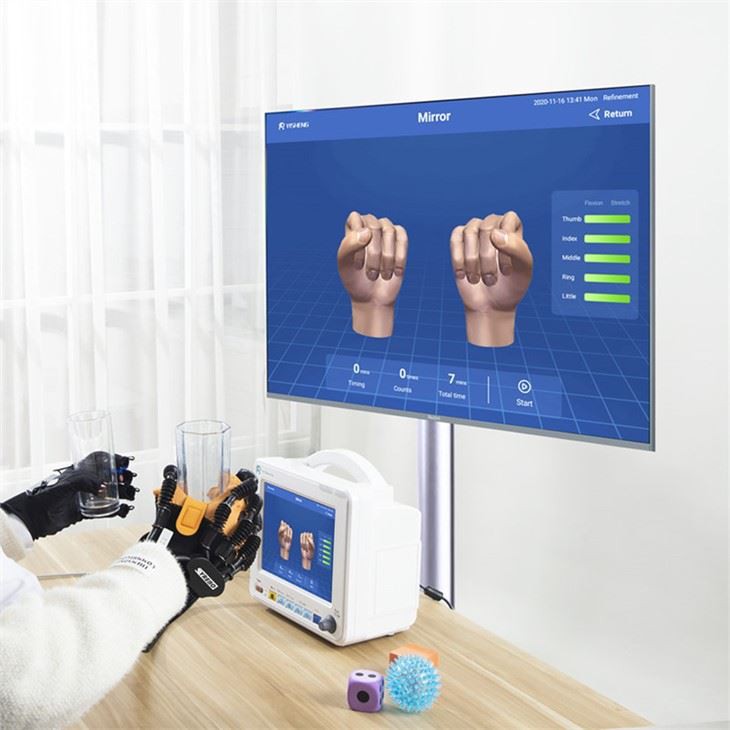
As mentioned earlier, exoskeleton các găng tay have significant applications in chăm sóc sức khỏe. They can be used for bệnh nhân handling, phục hồi chức năng, and even surgical procedures. For bệnh nhân recovering from bàn tay injuries or strokes, exoskeleton các găng tay such as the găng tay phục hồi chức năng các ngón tay and Dysfunction phục hồi đột quỵ phục hồi găng tay can hỗ trợ with the phục hồi process by providing targeted hỗ trợ and liệu pháp. The đột quỵ phục hồi Exoskeleton bàn tay is also a valuable tool for đột quỵ bệnh nhân to lấy lại bàn tay function.
Aerospace
In the aerospace ngành công nghiệp, where precision and safety are of utmost importance, exoskeleton các găng tay can be used for tasks such as aircraft assembly and maintenance. Workers can use these các găng tay to handle delicate components and tools with greater precision, reducing the risk of damage and improving the overall quality of work.
Customization and Adaptability
One of the advantages of exoskeleton các găng tay is their ability to be customized to meet the specific needs of different users and industries. Different tasks require different levels of hỗ trợ, grip strength, and phạm vi chuyển động. Exoskeleton các găng tay can be adjusted and programmed to provide the appropriate level of assistance based on the user's requirements.
For example, a worker in a manufacturing plant who primarily performs heavy - duty tasks may require a găng tay with a high level of force assistance. On the other bàn tay, a chăm sóc sức khỏe professional who needs to perform delicate procedures may need a găng tay with a more precise and gentle hỗ trợ system.
Cost - Benefit Analysis
While the initial investment in exoskeleton các găng tay may seem significant, the long - term benefits far outweigh the costs. By improving work efficiency, reducing injuries, and increasing productivity, these các găng tay can lead to substantial savings for businesses.
In addition to the direct financial benefits, exoskeleton các găng tay can also cải thiện employee morale and job satisfaction. Workers who are less fatigued and at a lower risk of injuries are more likely to be engaged and productive. This can lead to a more positive work environment and a lower turnover rate.
Contact for Procurement
If you're interested in learning more about how exoskeleton các găng tay can cải thiện work efficiency in your ngành công nghiệp, or if you're looking to procure these sáng tạo devices for your organization, please don't hesitate to reach out. Our team of experts is ready to provide you with detailed information, product demonstrations, and customized solutions to meet your specific needs.
References
- Zoss, A. M., Kazerooni, H. A., & Chu, A. (2006). Biomechanical design of the Berkeley lower extremity exoskeleton (BLEEX). IEEE Transactions on Robotics, 22(3), 534 - 542.
- van der Kooij, H., & Veeger, H. E. (2005). Exoskeletons for phục hồi chức năng and assistance: A review. Journal of NeuroEngineering and phục hồi chức năng, 2(1), 1 - 13.
- Chan, A. W., & Eng, J. J. (2006). Upper - limb robotic phục hồi chức năng devices: State - of - the - art review. Journal of NeuroEngineering and phục hồi chức năng, 3(1), 1 - 12.