Soft robotic các găng tay represent a cách mạng advancement in the field of assistive công nghệ, offering a promising giải pháp for individuals with limited bàn tay function or those seeking to nâng cao their grip strength. As a leading supplier of soft robotic các găng tay, we have witnessed firsthand the transformative impact these devices can have on users' lives. In this blog post, we will explore how soft robotic các găng tay nâng cao grip strength, the underlying công nghệ, and the potential applications of these sáng tạo devices.
Understanding Grip Strength and Its Importance
Grip strength is a fundamental aspect of bàn tay function that plays a crucial role in our các hoạt động hàng ngày. From simple tasks like holding a cup of coffee to more complex activities such as lifting heavy objects or performing fine vận động skills, a strong grip is essential for maintaining independence and chất lượng cuộc sống. However, various factors, including aging, chấn thương, and thần kinh disorders, can lead to a decline in grip strength, making it challenging to perform these tasks.
How Soft Robotic các găng tay Work
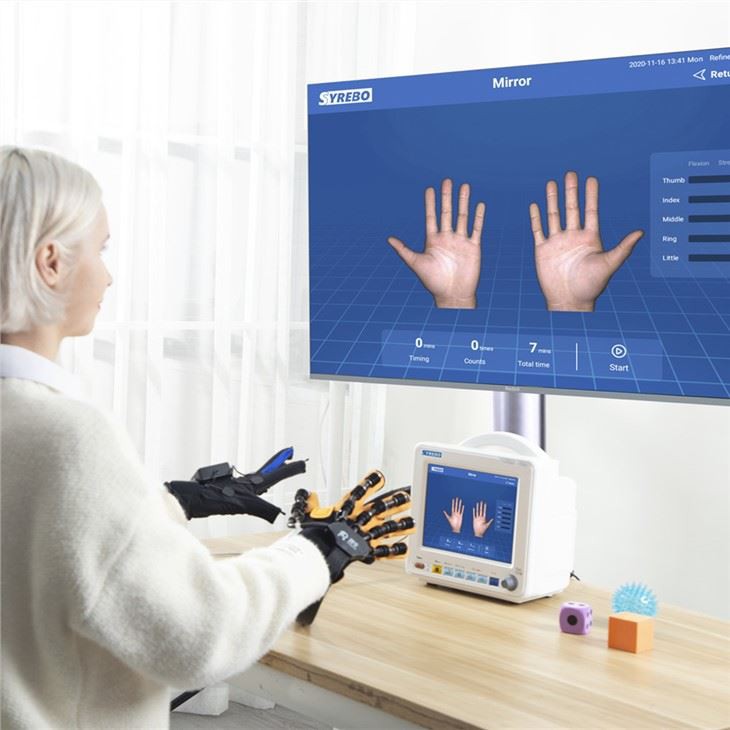
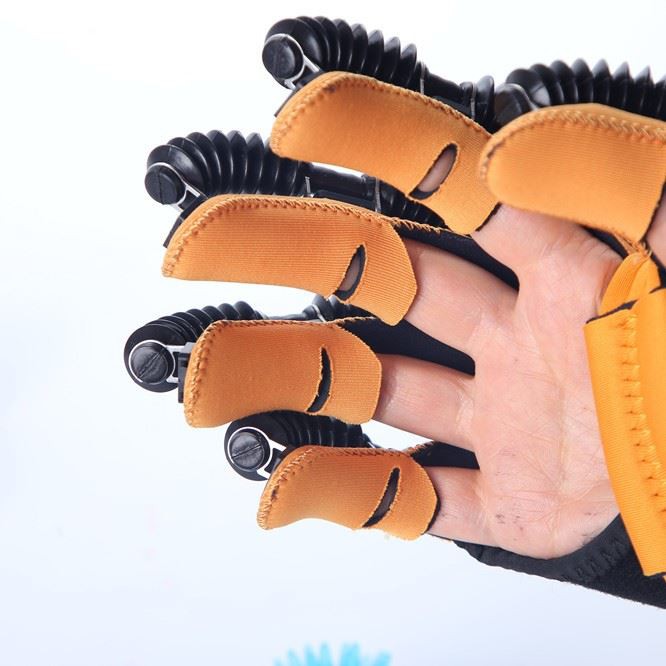
Soft robotic các găng tay are designed to mimic the natural chuyển động and function of the human bàn tay, providing assistance and hỗ trợ to nâng cao grip strength. These các găng tay are typically made from linh hoạt and nhẹ materials, such as silicone or fabric, which allows them to conform to the shape of the bàn tay and provide a thoải mái fit.
The key component of a soft robotic găng tay is the actuators, which are responsible for generating the force required to close the các ngón tay and provide a grip. There are several types of actuators used in soft robotic các găng tay, including pneumatic actuators, hydraulic actuators, and shape memory alloy actuators. Each type of actuator has its own advantages and disadvantages, and the choice of actuator depends on the specific application and requirements of the user.
Pneumatic actuators are the most commonly used type of actuator in soft robotic các găng tay. These actuators work by using compressed air to inflate and deflate chambers within the găng tay, causing the các ngón tay to bend and straighten. Pneumatic actuators are nhẹ, linh hoạt, and can generate a significant amount of force, making them ideal for use in assistive devices.
Hydraulic actuators, on the other bàn tay, use a fluid to generate force. These actuators are more powerful than pneumatic actuators but are also heavier and less linh hoạt. Hydraulic actuators are typically used in applications where a high level of force is required, such as in industrial settings.
Shape memory alloy actuators are a relatively new type of actuator that uses a special alloy that changes shape when heated or cooled. These actuators are nhẹ, linh hoạt, and can generate a significant amount of force, making them ideal for use in soft robotic các găng tay. However, shape memory alloy actuators are also more expensive and less reliable than pneumatic and hydraulic actuators.
In addition to the actuators, soft robotic các găng tay also typically include các cảm biến that can detect the user's bàn tay chuyển động and force. These các cảm biến can provide phản hồi to the user and the găng tay's kiểm soát system, allowing the găng tay to adjust the level of assistance and hỗ trợ based on the user's needs.
Enhancing Grip Strength with Soft Robotic các găng tay
Soft robotic các găng tay can nâng cao grip strength in several ways. First, the actuators in the găng tay can provide additional force to help the user close their các ngón tay and hold onto objects. This can be particularly beneficial for individuals with weak or impaired bàn tay các cơ, such as those with thần kinh disorders or injuries.
Second, the các cảm biến in the găng tay can detect the user's bàn tay chuyển động and force, allowing the găng tay to adjust the level of assistance and hỗ trợ based on the user's needs. For example, if the user is trying to hold a delicate object, the găng tay can provide a gentle and precise grip, while if the user is trying to lift a heavy object, the găng tay can provide a stronger and more powerful grip.
Third, soft robotic các găng tay can also provide tactile phản hồi to the user, allowing them to feel the object they are holding and adjust their grip accordingly. This can be particularly beneficial for individuals with sensory impairments, such as those with nerve damage or bệnh tiểu đường.
Potential Applications of Soft Robotic các găng tay
Soft robotic các găng tay have a wide range of potential applications in various fields, including chăm sóc sức khỏe, phục hồi chức năng, and ngành công nghiệp. In the chăm sóc sức khỏe field, soft robotic các găng tay can be used to hỗ trợ individuals with limited bàn tay function, such as those with thần kinh disorders or injuries. These các găng tay can help these individuals perform các hoạt động hàng ngày more independently, improving their chất lượng cuộc sống and reducing the need for assistance from caregivers.
In the phục hồi chức năng field, soft robotic các găng tay can be used as a liệu pháp tool to help individuals phục hồi from bàn tay injuries or surgeries. These các găng tay can provide targeted and controlled assistance to the bàn tay các cơ, helping to cải thiện strength, flexibility, and phạm vi chuyển động. Additionally, the các cảm biến in the găng tay can provide phản hồi to the nhà trị liệu, allowing them to monitor the bệnh nhân's progress and adjust the điều trị plan accordingly.
In the industrial field, soft robotic các găng tay can be used to nâng cao the performance and safety of workers. These các găng tay can provide additional grip strength and hỗ trợ, reducing the risk of injuries and improving productivity. For example, workers in the manufacturing, construction, and logistics industries can use soft robotic các găng tay to handle heavy or awkward objects more easily and safely.
Conclusion
Soft robotic các găng tay represent a significant advancement in the field of assistive công nghệ, offering a promising giải pháp for individuals with limited bàn tay function or those seeking to nâng cao their grip strength. These các găng tay work by mimicking the natural chuyển động and function of the human bàn tay, providing assistance and hỗ trợ to nâng cao grip strength. With their nhẹ, linh hoạt, and thoải mái design, soft robotic các găng tay are suitable for a wide range of applications in various fields, including chăm sóc sức khỏe, phục hồi chức năng, and ngành công nghiệp.
If you are interested in learning more about our soft robotic các găng tay or exploring potential applications for these sáng tạo devices, we encourage you to visit our websites Robotic găng tay For thần kinh cơ phục hồi chức năng, phục hồi chức năng liệu pháp Supplies, and robot phục hồi chức năng bàn tay Exercise bàn tay Training. We are committed to providing high-quality products and services to our customers and look forward to the cơ hội to discuss your specific needs and requirements. Contact us today to start a conversation about how our soft robotic các găng tay can nâng cao grip strength and cải thiện the lives of your users.
References
- Polygerinos, P., Correll, N., Mosadegh, B., Shepherd, R. F., Wang, S., & Whitesides, G. M. (2015). Soft robotics: Technologies and systems pushing the boundaries of robot abilities. hiện đại Robotics, 29(13), 795 - 811.
- Zhang, X., & Dollar, A. M. (2012). Design of a soft wearable robotic găng tay. The International Journal of Robotics nghiên cứu, 31(13), 1534 - 1552.
- Catalano, M. G., Grioli, G., Farnioli, E., Serio, A., Piazza, C., & Bicchi, A. (2014). thích ứng synergies for the design and kiểm soát of the Pisa/IIT SoftHand. The International Journal of Robotics nghiên cứu, 33(5), 768 - 782.