Hey there! As a supplier of exoskeletons for the paralyzed, I've been super into the question of what the legal regulations are for these amazing devices. It's a topic that's not only crucial for us in the business but also for the people who stand to benefit from exoskeletons. So, let's dig into it!
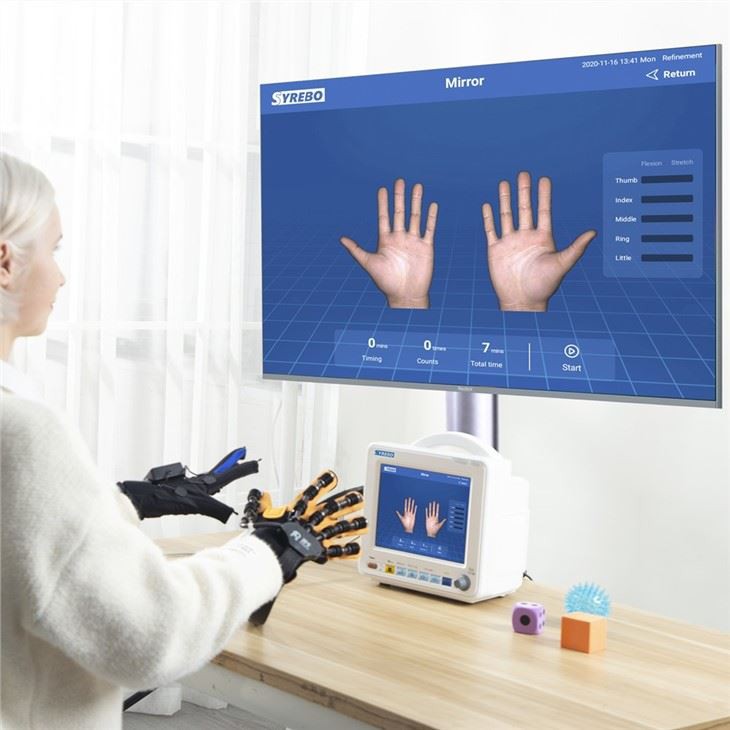
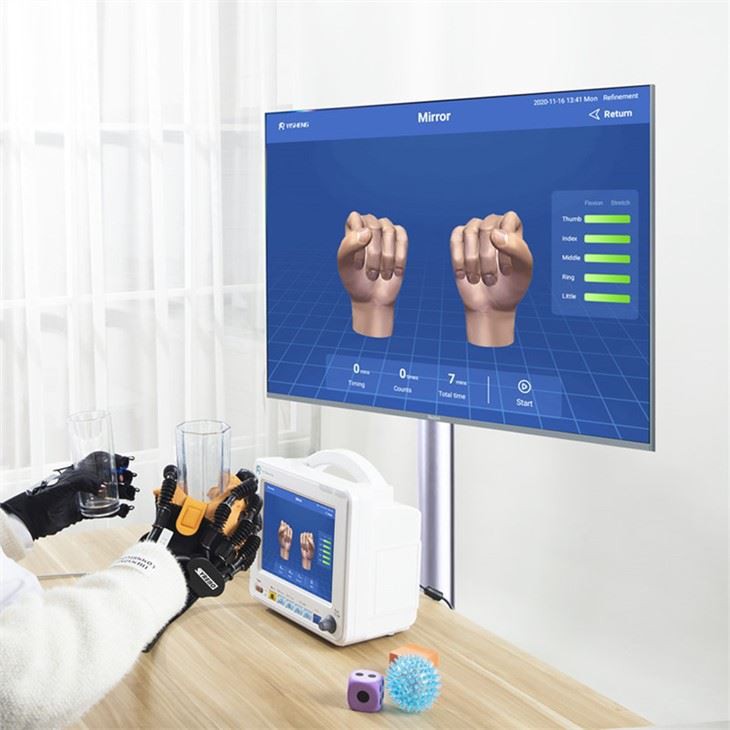
First off, what are exoskeletons for the paralyzed all about? They're essentially wearable mechanical devices that can hỗ trợ or replace the function of the limbs in individuals with liệt. These high - tech marvels can help paralyzed folks lấy lại some degree of khả năng vận động, whether it's walking or moving their các bàn tay.
Now, let's talk legal regulations. In the United States, the Food and Drug Administration (FDA) plays a huge role. The FDA categorizes y tế devices, including exoskeletons, into three classes: Class I, II, and III. Most exoskeletons for the paralyzed fall into Class II or III because of the potential risks and the complexity of the devices.
Class II devices are those for which general controls alone are not sufficient to provide reasonable assurance of safety and hiệu quả, so special controls are also required. These special controls can include things like performance standards, post - thị trường surveillance, bệnh nhân registries, etc. For exoskeletons, performance standards might specify how well the thiết bị has to hỗ trợ a person's weight, or how accurately it can mimic natural chuyển động.
Class III devices are the ones that hỗ trợ or sustain human life, are of substantial importance in preventing impairment of human health, or present a potential unreasonable risk of illness or chấn thương. The approval process for Class III devices is the most rigorous, and it typically involves a pre - thị trường approval (PMA) application. This requires extensive lâm sàng trials to prove the safety and hiệu quả of the exoskeleton.
In the European Union, the situation is a bit different. The EU has a thiết bị y tế regulation (MDR) that came into effect in 2021. Exoskeletons are regulated under this new framework. The MDR aims to ensure a high level of protection for public health and safety. It requires manufacturers to provide toàn diện technical documentation, including risk management information, lâm sàng evaluation dữ liệu, and quality management system details.
One of the key aspects in both the US and the EU regulations is the safety of the users. Exoskeletons need to be designed and manufactured to minimize the risk of chấn thương. For example, they should have proper safety features to ngăn ngừa falls in cases of power failure or mechanical malfunction. There are also requirements regarding the materials used in the exoskeleton. The materials must be biocompatible, especially if the thiết bị comes into direct contact with the user's skin for an extended period.
Another important area of regulation is the accuracy of marketing claims. As a supplier, we can't just go around making wild claims about what our exoskeletons can do. We have to back up any statements about the thiết bị's capabilities, such as the cải thiện in khả năng vận động or cơ strength, with solid scientific evidence. This is to protect consumers from false or misleading information.
Let's take a look at some of the exoskeletons we offer. We have the máy kích thích cơ Exoskeleton bàn tay. This is a great thiết bị for paralyzed individuals who want to lấy lại some bàn tay function. It uses cơ stimulation công nghệ to hỗ trợ with bàn tay chuyển động, and it has to meet all the relevant legal regulations, both in terms of safety and performance.
We also have the Rehab đột quỵ găng tay. This găng tay is designed for đột quỵ bệnh nhân who may have suffered bàn tay liệt. It's an sáng tạo piece of equipment that combines liệu pháp and phục hồi chức năng features. Just like any thiết bị y tế, it has to be compliant with the strict regulations in different markets.
And for our younger bệnh nhân, we offer the bàn tay liệu pháp găng tay After đột quỵ For Kids. Kids have different needs and sensitivities, so the design and manufacturing of this găng tay have to take those into account while still adhering to the legal requirements.
When it comes to international trade, things get even more complicated. Different countries may have their own unique regulations on exoskeletons. Some countries may follow the FDA or EU standards as a reference, while others may have their own set of rules. This means that as a supplier, we have to do a lot of nghiên cứu and work with regulatory experts to ensure that our products can be sold in different markets legally.
One of the challenges in the legal regulation of exoskeletons is the rapid pace of technological sáng tạo. New features and functions are being added to exoskeletons all the time, and the regulatory bodies may struggle to keep up. For example, some exoskeletons are now being integrated with trí tuệ nhân tạo to provide more được cá nhân hóa assistance. This new công nghệ may require new regulatory considerations.
Despite these challenges, the legal regulations are ultimately a good thing. They ensure that the exoskeletons on the thị trường are an toàn and hiệu quả for the people who need them. As a supplier, we're committed to meeting these regulations because we know that it's the right thing to do for our customers.
If you're interested in our products, whether you're a chăm sóc sức khỏe provider, a rehab center, or an individual looking for a giải pháp for liệt, we'd love to hear from you. We can have a detailed discussion about the exoskeletons we offer, how they comply with the legal regulations, and how they can benefit you or your bệnh nhân. Don't hesitate to reach out and start the conversation about procurement and negotiations.
References
- U.S. Food and Drug Administration. “thiết bị y tế Classification.”
- European Union. “thiết bị y tế Regulation (MDR) (EU) 2017/745.”