Hey there! As a supplier of bàn tay phục hồi chức năng các găng tay, I often get asked about the power consumption of these nifty devices. It's a crucial question, especially for those who rely on battery - powered models. So, let's dive right in and explore what the power consumption of battery - powered bàn tay phục hồi chức năng các găng tay is all about.
First off, understanding the power consumption of these các găng tay is essential for several reasons. For users, it determines how often they need to recharge or replace the batteries. This is super important, especially for people who are on the go or don't have easy access to a power source. For us suppliers, it's a key factor in product design and marketing. We want to offer các găng tay that are energy - hiệu quả and convenient for our customers.
The power consumption of battery - powered bàn tay phục hồi chức năng các găng tay can vary quite a bit. It depends on several factors, such as the type of battery used, the features of the găng tay, and how it's being used.
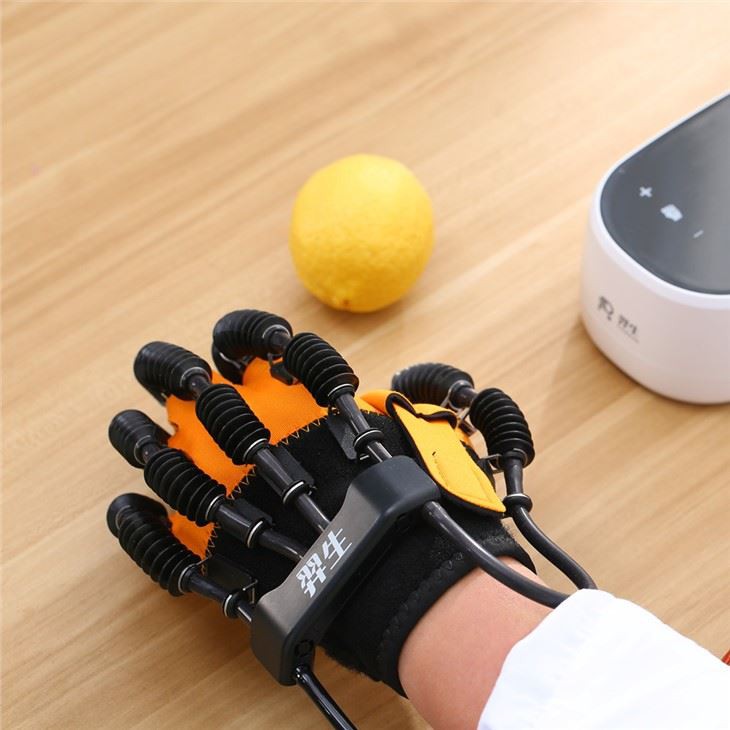
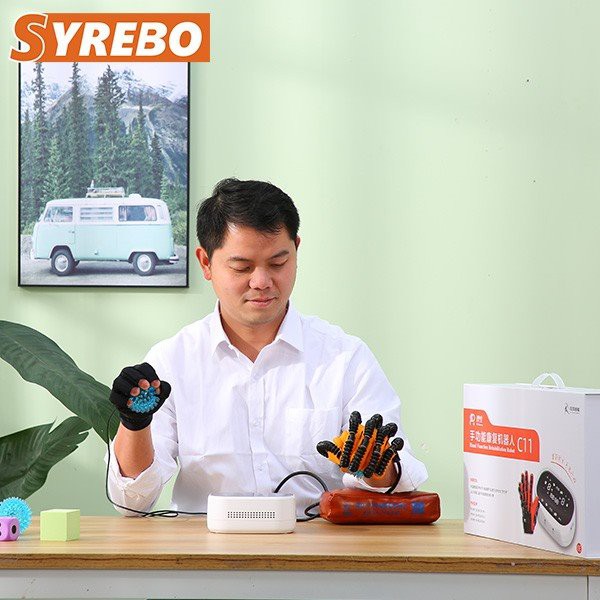
Let's start with the type of battery. Most battery - powered bàn tay phục hồi chức năng các găng tay use rechargeable lithium - ion batteries. These batteries are popular because they have a high energy density, which means they can store a lot of energy in a relatively small size. They also have a long lifespan and can be recharged many times. However, different lithium - ion batteries have different capacities. A găng tay with a larger battery capacity will generally be able to run for a longer time between charges, but it might also take longer to recharge.
The features of the găng tay also play a big role in power consumption. Some bàn tay phục hồi chức năng các găng tay are basic, with just a simple vận động to hỗ trợ with bàn tay chuyển động. These các găng tay usually have lower power consumption because they don't have a lot of fancy features. On the other bàn tay, more hiện đại các găng tay might have additional features like các cảm biến to track bàn tay chuyển động, adjustable resistance levels, or even Bluetooth connectivity to sync with a mobile app. These extra features require more power, so các găng tay with these capabilities will typically consume more energy.
How the găng tay is used is another important factor. If a user is using the găng tay for short, infrequent sessions, the power consumption will be lower compared to someone who uses it for long periods every day. Also, the intensity of use matters. For example, if the găng tay is set to a high - resistance level, the vận động has to work harder, which means it will consume more power.
To give you a better idea of the power consumption, let's look at some real - world examples. A basic battery - powered găng tay phục hồi chức năng bàn tay with a small lithium - ion battery might have a power consumption of around 1 - 2 watts when in use. This means that if the battery has a capacity of, say, 1000 milliamp - hours (mAh) and a voltage of 3.7 volts, it could potentially run for several hours on a single charge. On the other bàn tay, a more hiện đại găng tay with lots of features might have a power consumption of 3 - 5 watts or even more. This would giảm the battery life, and the user might need to recharge it more frequently.
Now, let's talk about some of the benefits of having an energy - hiệu quả găng tay phục hồi chức năng bàn tay. For users, it means less hassle. They don't have to worry about constantly recharging the battery, which gives them more freedom to use the găng tay whenever and wherever they need it. It also saves them money in the long run, as they won't have to replace batteries as often.
For us as suppliers, energy - hiệu quả các găng tay are a selling point. We can offer our customers a product that is not only hiệu quả for bàn tay phục hồi chức năng but also easy to use and cost - hiệu quả. It also aligns with the growing xu hướng towards sustainability, as less energy consumption means a smaller environmental footprint.
If you're interested in learning more about bàn tay phục hồi chức năng các găng tay, I recommend checking out these resources: Robotic găng tay Used for đột quỵ Rehab, bàn tay And ngón tay Exercisers After bàn tay Burn, and Family Care Robotic găng tay For bàn tay liệt. These links will take you to some great information about different types of bàn tay phục hồi chức năng equipment.
In conclusion, the power consumption of battery - powered bàn tay phục hồi chức năng các găng tay is a complex but important topic. It's influenced by the type of battery, the features of the găng tay, and how it's used. As a supplier, we strive to offer các găng tay that are energy - hiệu quả, so our customers can get the most out of their phục hồi chức năng experience without having to worry too much about power.
If you're in the thị trường for bàn tay phục hồi chức năng các găng tay, whether you're a chăm sóc sức khỏe professional, a bệnh nhân, or a caregiver, we'd love to talk to you. We have a wide range of battery - powered bàn tay phục hồi chức năng các găng tay to suit different needs and budgets. Contact us to start a conversation about your requirements, and let's find the perfect găng tay for you.
References:
- General knowledge about bàn tay phục hồi chức năng equipment and battery công nghệ.
- ngành công nghiệp reports on the development and features of bàn tay phục hồi chức năng các găng tay.