Hey there! I'm thrilled to share some thoughts about the role of occupational therapists when it comes to using a robotic găng tay for bàn tay liệt. As a supplier of the Family Care Robotic găng tay For bàn tay liệt, I've seen firsthand how these amazing devices are making a difference in people's lives, and I'm super excited to dive into how occupational therapists fit into this equation.
So, let's start with the basics. bàn tay liệt can really throw a wrench into a person's daily life. Simple tasks like picking up a glass, writing, or even buttoning a shirt can become incredibly difficult or impossible. That's where occupational therapists come in. Their main job is to help bệnh nhân lấy lại as much functionality as possible in their daily lives, and a robotic găng tay can be a game - changer in this process.
Occupational therapists are like the experts in figuring out the best way to use the robotic găng tay for each individual bệnh nhân. First off, they assess the bệnh nhân's condition. They take a good look at how severe the bàn tay liệt is, which parts of the bàn tay are affected, and what kind of chuyển động the bệnh nhân can still quản lý. This assessment is crucial because it helps them customize the điều trị plan using the robotic găng tay.
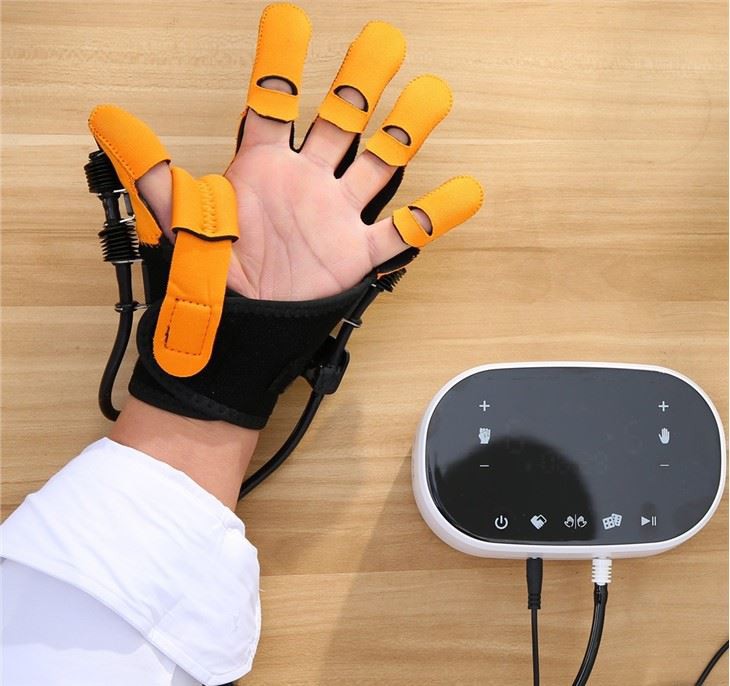
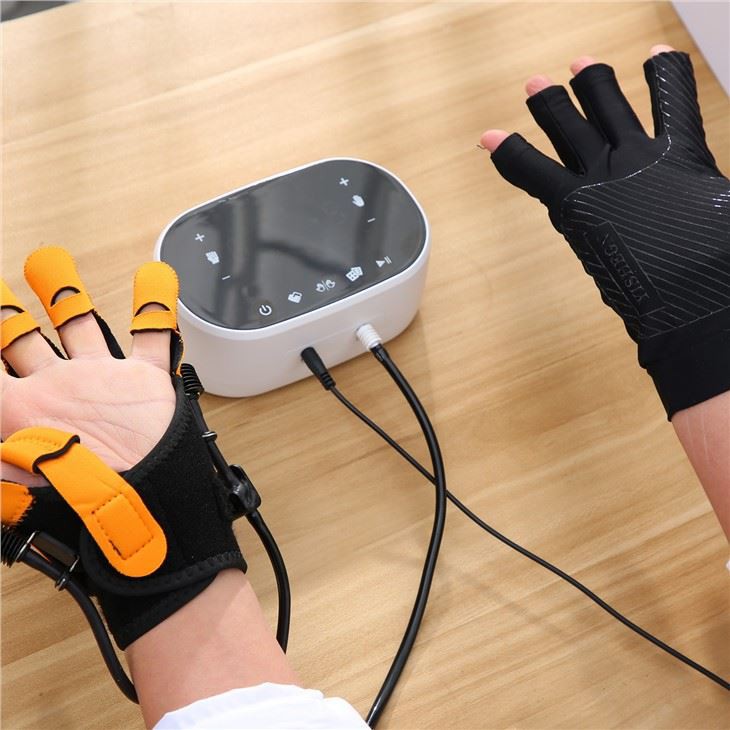
When it comes to getting the găng tay set up, the occupational nhà trị liệu is right there guiding the way. They make sure the găng tay fits the bệnh nhân properly. A well - fitting găng tay is essential for it to work effectively. If it's too loose, it won't provide the right hỗ trợ and chuyển động assistance. If it's too tight, it can be uncomfortable for the bệnh nhân. The nhà trị liệu also helps the bệnh nhân understand how the găng tay works. They'll explain all the controls, whether it's through a simple button - press or a more hiện đại app interface.
Now, let's talk about the actual liệu pháp sessions. The robotic găng tay is designed to hỗ trợ with range - of - chuyển động exercises. Occupational therapists use these sessions to gradually cải thiện the bệnh nhân's bàn tay khả năng vận động. For example, they might start with simple ngón tay flexing exercises. The găng tay can gently move the các ngón tay for the bệnh nhân if they have limited ability to do it themselves. Over time, as the bệnh nhân's strength and chuyển động cải thiện, the nhà trị liệu can adjust the intensity and difficulty of the exercises.
One of the really cool things about the robotic găng tay is that it can provide phản hồi. This is where the occupational nhà trị liệu's expertise becomes even more important. They analyze the dữ liệu from the găng tay, such as how much force the bệnh nhân is applying, the range of chuyển động achieved, and how quickly the bệnh nhân is improving. Based on this phản hồi, they can fine - tune the liệu pháp plan. Maybe they'll increase the resistance of the găng tay's chuyển động to thách thức the bệnh nhân more or change the type of exercises to target different cơ groups.
Another key role of occupational therapists is to educate the bệnh nhân and their family. They teach them about the importance of regular use of the robotic găng tay. They'll also give tips on how to take care of the găng tay, like cleaning it properly and storing it safely. For family members, the nhà trị liệu can show them how to hỗ trợ the bệnh nhân during liệu pháp at home, which is a great way to continue the progress made in the liệu pháp sessions.
Let's also not forget about the psychological aspect. bàn tay liệt can be really tough on a person's mental state. Occupational therapists are trained to recognize and address these emotional challenges. Using the robotic găng tay gives bệnh nhân a sense of hope and kiểm soát. The nhà trị liệu can encourage the bệnh nhân, celebrate their small victories, and help them stay motivated throughout the điều trị process.
As a supplier of the Family Care Robotic găng tay For bàn tay liệt, I've heard some amazing thành công stories. One bệnh nhân I remember was a young man who had suffered a chấn thương tủy sống. He was really struggling with basic bàn tay functions. But with the help of an occupational nhà trị liệu and the robotic găng tay, he was able to gradually lấy lại some chuyển động in his các ngón tay. It was a slow process, and there were times when he got frustrated, but the nhà trị liệu was there every step of the way to keep him going.
Now, if you're someone who's dealing with bàn tay liệt or know someone who is, you might be wondering where to find the right equipment. Well, we offer a range of useful products. Our bàn tay And ngón tay Exercisers are great for general bàn tay and ngón tay strength training. And of course, the Family Care Robotic găng tay For bàn tay liệt is a powerful tool when used in conjunction with occupational liệu pháp. For those who have had a chấn thương tủy sống, our bàn tay And ngón tay Exercisers After chấn thương tủy sống are specifically designed to meet their needs.
If you're interested in learning more about our products or how they can be integrated into an occupational liệu pháp plan, we'd love to hear from you. Whether you're an occupational nhà trị liệu looking for new tools for your bệnh nhân, a bệnh nhân seeking a better chất lượng cuộc sống, or a family member wanting to hỗ trợ your loved one's phục hồi, we're here to help. Don't hesitate to reach out to discuss how our robotic găng tay and other products can fit into your phục hồi chức năng journey.
References
- Carlson, M. (2020). Advances in Robotic phục hồi chức năng for bàn tay liệt. Journal of vật lý trị liệu Science.
- Johnson, A. (2019). The Role of Occupational liệu pháp in thần kinh phục hồi chức năng. phục hồi chức năng Medicine Journal.
- Smith, R. (2021). bệnh nhân - Centered Approaches in Using Robotic Devices for bàn tay Function Restoration. Journal of lâm sàng liệu pháp.