An article to understand the phục hồi training of chi trên vận động dysfunction after đột quỵ - đột quỵ Center
About đột quỵ
đột quỵ is a disease in which blood circulation is destroyed due to acute cerebrovascular disease, resulting in partial or global thần kinh dysfunction. At the same time, it is also a common disease among the elderly in today's society, and the incidence rate is increasing year by year.
đột quỵ has the characteristics of high morbidity, high disability and high mortality. About 85% of đột quỵ bệnh nhân have limb chuyển động disorders.
Types of limb liệt after đột quỵ
Limb vận động liệt is a common lâm sàng symptom and sign of cerebral apoplexy. Different parts of the lesion can lead to liệt of different limbs and different degrees of severity, such as hemiplegia, monoplegia, quadriplegia or crossed limb liệt.
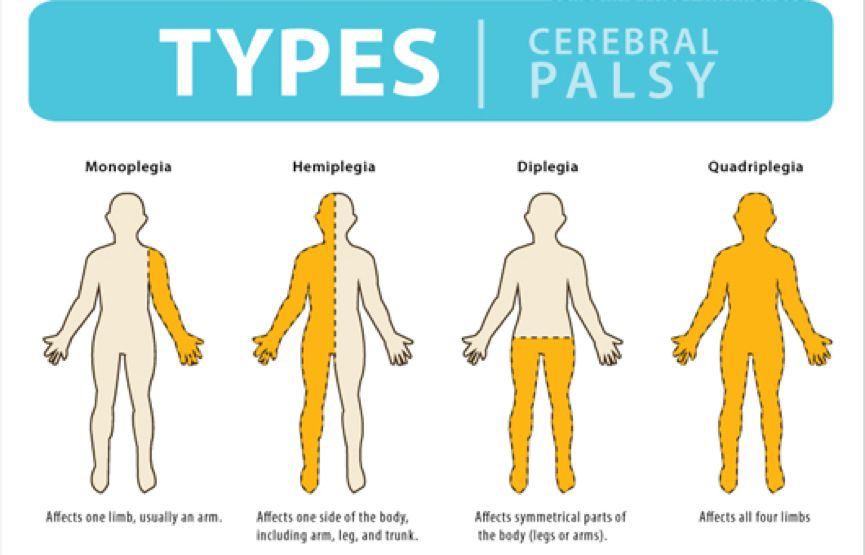
chi trên dysfunction in hemiplegia is one of the common symptoms and signs of đột quỵ
Human upper limbs need to complete more complex movements than lower limbs, their nervous kiểm soát central system is more complex, and the phục hồi after chấn thương is slower. After 3 months of concurrent điều trị, 55% to 75% of bệnh nhân still have chi trên disorders. phục hồi chức năng training for bệnh nhân is particularly important. phục hồi chức năng exercise based on "brain plasticity" is an hiệu quả điều trị method that has long been được chứng minh by lâm sàng y tế luyện tập.
New concepts and new technologies are more applied to phục hồi chức năng y tế services. Robotic công nghệ is introduced into the field of phục hồi chức năng liệu pháp, using the high intensity & repeatability, intelligent phản hồi & interaction, and task-oriented features of robots, allowing them to perform heavy work instead of physical therapists.