Life After đột quỵ: How to Dress and Undress - đột quỵ Center
Studies have shown that about 90 percent of đột quỵ bệnh nhân can lấy lại walking and tự chăm sóc ability if they receive professional and chủ động phục hồi chức năng điều trị, and some bệnh nhân can also undertake light work. In contrast, only 6 percent of bệnh nhân regained walking and tự chăm sóc ability without phục hồi chức năng. With guidance, training and assistance, many bệnh nhân are able to dress and undress themselves. It is of great significance for bệnh nhân to lấy lại self-confidence and cải thiện tự chăm sóc ability.
Sweaters
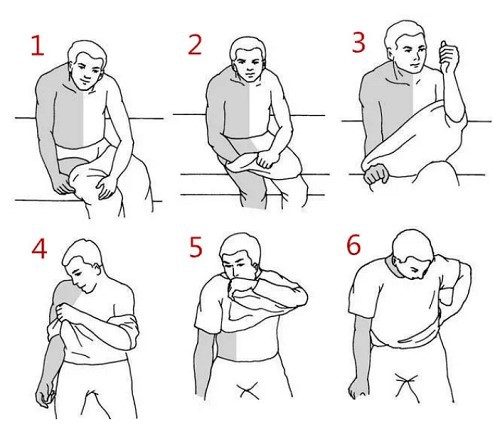
1.After the bệnh nhân is seated, place the back of the jacket upward on the legs of the bệnh nhân, and fold the back hem upward about 15cm.
2.Put the affected side cánh tay on the other side of the hem. Use the healthy side bàn tay to hold the bottom to the cuff into a cylinder shape, and then put it on the affected side of the upper cánh tay.
3.Put the healthy upper cánh tay in the sleeve.
4.Use the healthy bàn tay to pull the sleeve on the affected side to the shoulder joint.
5.Pull the clothes over your head with the healthy bàn tay
6.Pull down the front and back hem, organize the garment.
Undress: Take off the healthy side sleeve first, the neckline and finally the affected side
Shirts
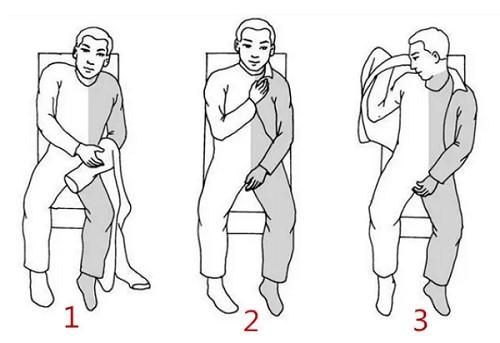
1.Place the affected chi trên on the leg and put the sleeve over the forearm of the affected chi trên with the healthy bàn tay
2.Pull over the sleeve on the affected side to the shoulder joint
3.Put the healthy cánh tay in the sleeve and fasten the button with a healthy bàn tay
Undress: To undress the shirt, after unbuttoning, take off the healthy side sleeve first and then the affected side sleeve.
Pants
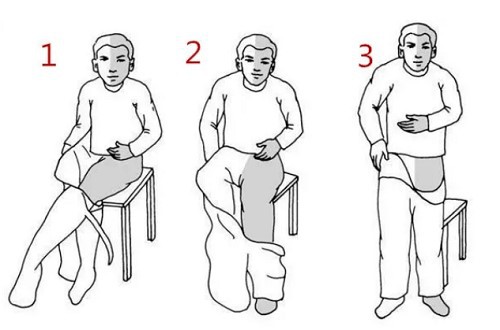
1.You can sit on the bedside or a chair, and cross the affected chi dưới on the healthy chi dưới. Place the affected bàn tay on the ipsilateral lower leg thigh. Put the pant over the affected chi dưới with the healthy side bàn tay.
2.Put pants on the healthy chi dưới
3.Stand up and pull your trousers to the waist
Undress: To undress the pant, you can lie on the bed or stand next to the bed, pull the waist of your pants to just above the knee joint, sit and remove the healthy side leg, then remove the affected side leg
Key points:
1.To dress, use your unaffected cánh tay to dress the affected side first. To undress, remove the healthy side first, then the affected side.
2. Choose soft and loose-fitting clothing