PT & OT, What's the difference? - đột quỵ Center
What is physiotherapy?
Physiotherapy is also known as vật lý trị liệu. It's the core of phục hồi chức năng điều trị. It uses physical methods such as massage, heat điều trị and exercise rather than drugs or surgery to help bệnh nhân phục hồi and cải thiện functional impairment after illness or chấn thương. It's widely used in thần kinh phục hồi chức năng, musculoskeletal phục hồi chức năng, postpartum phục hồi chức năng, pediatric phục hồi chức năng and other fields. Many people may think physical therapists simply manipulate joints, soft tissue and nerves through các bàn tay-on techniques. In fact, PT is not just Manual liệu pháp.
PT mainly includes the following three điều trị methods:
Manual liệu pháp
Physical therapists use their các bàn tay to treat diseases through specific techniques, such as joint mobilization, myofascial release, soft tissue mobilization, strain-counterstrain liệu pháp, etc., to help bệnh nhân phục hồi function.

Physical agents modalities
It's a method to nghiên cứu and apply various natural or artificial physical agents on the human body to treat and ngăn ngừa diseases. The common modalities include heat and electrode stimulation. Transcutaneous electrical nerve stimulation (TENS) that provides constant kích thích điện is an electrical modality that controls đau.
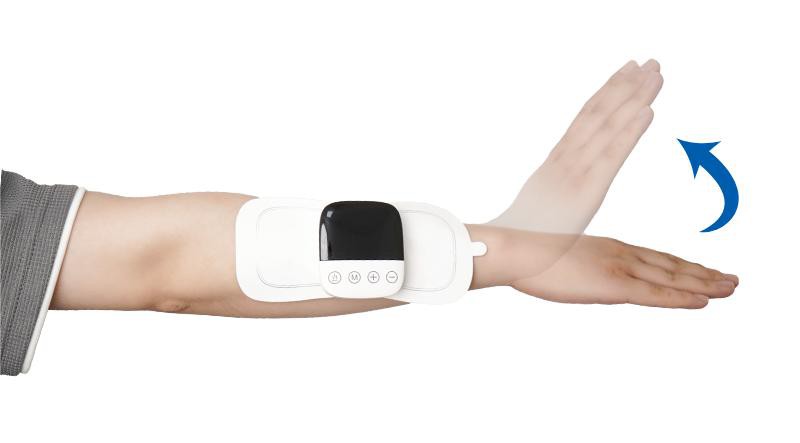
Syrebo TENS liệu pháp thiết bị enables users to lift wrists through kích thích điện
Exercise liệu pháp
It is mainly used to thúc đẩy chuyển động, relieve đau, and phục hồi function through functional exercise. The types of exercise mainly include ROM training, cơ strengthening exercise, postural correction training, and neurophysiological liệu pháp.
What is occupational liệu pháp?
As an important part of phục hồi chức năng, OT is to help people return to society and lấy lại independence. It's usually used as an auxiliary điều trị for conventional exercise liệu pháp to cải thiện bệnh nhân' tự chăm sóc ability.

OT primarily serves people with thần kinh injuries and musculoskeletal system diseases. As phục hồi chức năng is a long-term process, OT may be slower to đạt được kết quả than PT; moreover, bệnh nhân often only focus on recovering limb functions and ignore the significance of phục hồi chức năng. OT is often overlooked by bệnh nhân.
In the OT room, you will see bệnh nhân building blocks, writing, dressing and other các hoạt động sinh hoạt hàng ngày. Occupational therapists design an intervention plan according to the bệnh nhân's gender, age, interests, educational level, and degree of disability to reach the bệnh nhân's goals. OT generally includes bàn tay-function liệu pháp, cognitive perceptual liệu pháp, mirror liệu pháp, etc., among which bàn tay-function liệu pháp is the most important.
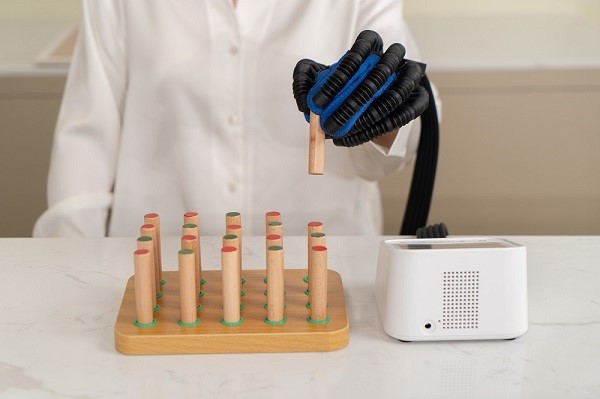
Wooden pegboard training with Syrebo bàn tay robot phục hồi chức năng
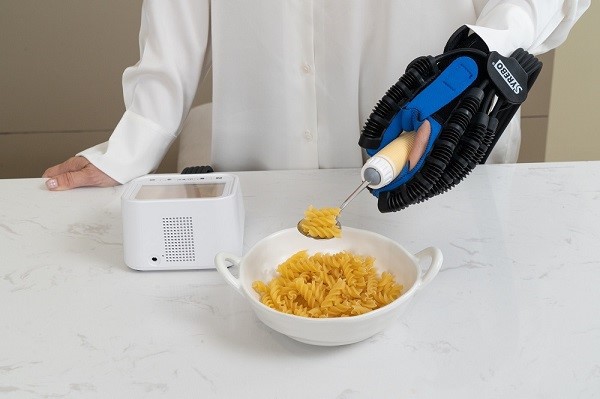
Eating exercise with Syrebo bàn tay robot phục hồi chức năng
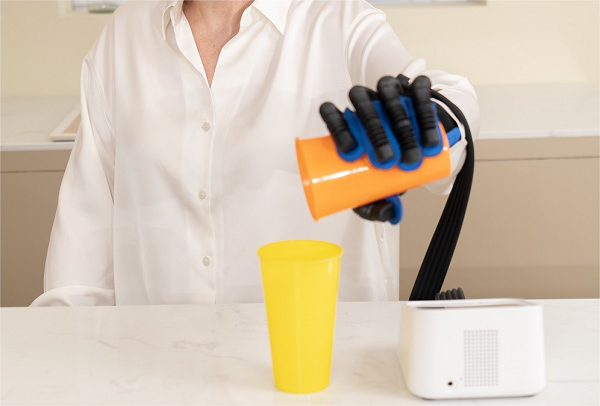
Pouring water with Syrebo bàn tay robot phục hồi chức năng
Both PT and OT belong to non-drug phục hồi chức năng điều trị, and they are both involved in anatomy and neuropsychology. However, they are different in focus. PT focuses on improving people's ability to move. OT focuses on improving their ability to perform các hoạt động sinh hoạt hàng ngày. Their điều trị modalities also vary considerably. You can choose OT or PT depending on your goals and condition.