The Application of Low- and Medium-Frequency kích thích điện in chi trên phục hồi chức năng - đột quỵ Center
Challenges Faced by bệnh nhân with chi trên Dysfunction
The bàn tay is an essential organ for các hoạt động hàng ngày and serves as a key tool for humans to explore the external world and interact with the environment. Compared to other body parts, the bàn tay and chi trên possess greater complexity and importance in vận động functions. Therefore, chi trên chức năng vận động phục hồi chức năng is a core focus in sau đột quỵ phục hồi chức năng, yet it also represents a major thách thức. bệnh nhân with chi trên dysfunction caused by conditions such as đột quỵ, chấn thương tủy sống, or bàn tay trauma often experience a slow phục hồi process due to the complexity of bàn tay and chi trên movements. This prolonged phục hồi chức năng journey poses a significant psychological thách thức, potentially affecting bệnh nhân' sense of self-fulfilment, and may lead to anxiety, depression, and other emotional issues. These negative emotions can, in turn, further diminish phục hồi chức năng motivation and impact the overall chất lượng cuộc sống.

What is Functional kích thích điện (FES)?
Functional kích thích điện (FES) is a phục hồi chức năng technique that uses low-frequency pulsed electrical currents to stimulate one or more groups of các cơ through preset programs, inducing cơ contractions or simulating normal voluntary movements. The goal of FES is to cải thiện or phục hồi the functions of các cơ and cơ groups affected by thần kinh damage, thereby compensating for or correcting the loss of chức năng vận động in limbs and organs. In recent years, the application of FES has expanded significantly, especially for bệnh nhân with limb dysfunction caused by đột quỵ or chấn thương tủy sống. Through repeated kích thích điện, FES can not only activate vận động neurons but also thúc đẩy neuroplasticity in the central nervous system, helping bệnh nhân gradually lấy lại voluntary vận động abilities.
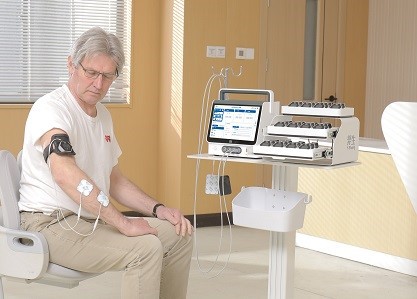
3. Common Electrode Placements for FES in Limb Training
(1) Shoulder Subluxation
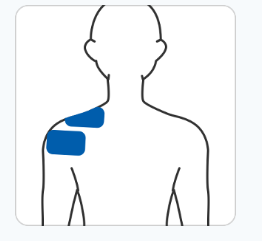
bệnh nhân with central nervous system injuries or high-level spinal cord injuries often experience shoulder subluxation. Strengthening the supraspinatus and the posterior part of the deltoid cơ can help ngăn ngừa and cải thiện shoulder subluxation.
Stimulation electrode: Placed on the posterior one-third of the deltoid cơ;
Auxiliary electrode: Placed on the supraspinatus cơ.
(2) Triceps cơ yếu
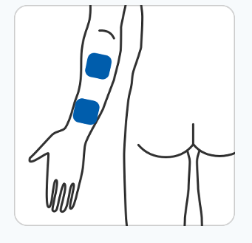
For bệnh nhân with central nervous system disorders, using NMES to tăng cường the triceps brachii can nâng cao elbow extension kiểm soát and relieve tình trạng cứng cơ of the biceps brachii.
Stimulation electrode: Placed below the posterior part of the deltoid cơ;
Auxiliary electrode: Placed above the olecranon (be careful to avoid stimulating the brachioradialis to ngăn ngừa unwanted elbow flexion).
(3) cổ tay and ngón tay Extensor cơ yếu
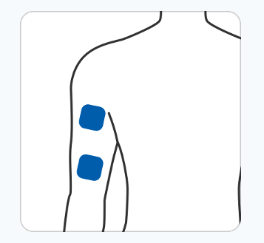
Due to the small size of forearm các cơ, smaller electrode pads are generally recommended for stimulating the cổ tay and ngón tay extensor các cơ.
For cổ tay extensors:
Stimulation electrode: Placed below the lateral epicondyle of the humerus;
Auxiliary electrode: Placed proximally near the cổ tay joint.
For ngón tay extensors:
Stimulation electrode: Placed more distally in the center of the forearm;
Auxiliary electrode: Placed proximally near the cổ tay joint.