The Causes of bệnh tiểu đường and The Way to Lower Blood Sugar - đột quỵ Center
bệnh tiểu đường is a metabolic disease characterized by high blood sugar. Hyperglycemia is caused by defective insulin secretion or impaired biological action. Long-term high blood sugar will lead to chronic damage and dysfunction of eyes. kidneys, heart, blood vessels and nerves.
People with bệnh tiểu đường have a higher risk of đột quỵ. bệnh tiểu đường can cause many chronic complications, such as peripheral vascular nerve and major artery lesions, bệnh nhân may suffer from cerebral artery stenosis, or even occlusion, resulting in cerebral infarction.
The syptoms of high blood sugar
1. Increased thirst, pee frequently, constantly hungry, weight loss- the symptoms of high blood sugar in type 1 bệnh tiểu đường.The symptoms are more pronounced when ketosis or ketoacidosis occurs.
2.Tiredness, weight rises- the symptoms of high blood sugar in type 2 bệnh tiểu đường.
The causes of high blood sugar
1. Visceral fat
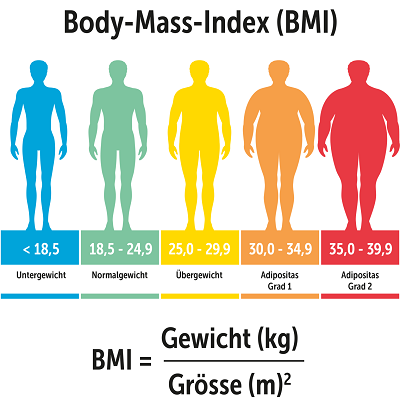
Visceral fat interferes with the action of insulin, causing sugars not to break down and blood sugar levels to increase. You must be careful if you notice that you are beginning to gain weight. Measure your body fat with BMI calculator.
2. Eat too fast
Eating too fast can quickly increase blood sugar levels. The pancreas releases insulin for a short time to suppress blood sugar levels. When the pancreas is tired, insulin production decreases and blood sugar kiểm soát becomes difficult. In addition, eating too fast slows down the feeling of fullness leading to overeating, which increases visceral fat.
3. Decreased cơ mass
các cơ can balance and regulate blood sugar. After meals and during rest, các cơ will metabolize the excess blood sugar directly with the help of insulin, or store it in các cơ in the form of cơ glycogen to ensure the normal blood sugar level.
However, because of insufficient insulin in the body, people with bệnh tiểu đường break down cơ proteins faster than the normal people and lose cơ earlier and more quickly. Therefore, to đạt được the ideal cơ hypoglycemic effect and maintain the blood sugar balance, diabetic bệnh nhân should first increase the cơ mass and delay cơ aging through exercises.
How to lower your blood sugar at home
1.Change your eating habits
The duration of the meal should not be less than 15 minutes. The order of eating is vegetables first, then meat, and five minutes later carbohydrates.
2.Exercise to giảm visceral fat
1)Walking-Walking times range from 30minutes to 1 hour a day. Fat-burning efficiency is considered best 30 minutes to 2 hours after a meal.
2)Plank-Lift your body in a push-up and hỗ trợ your body on your two forearms and toes. Keep your body straight. Hold for 30 seconds.
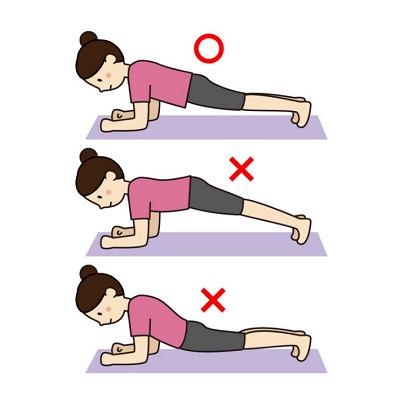
Tips: Good eating habits and scientific exercise can help us better kiểm soát and lower blood sugar in the home.