The symptoms of đột quỵ - đột quỵ Center
đột quỵ refers to cerebral apoplexy, that is, acute cerebrovascular disease, also known as "cerebrovascular accident".
Any disease caused by blockage or rupture of cerebral blood vessels and damage to brain tissue skills or structure can be a đột quỵ. Therefore, đột quỵ can be roughly divided into two categories, namely ischemic đột quỵ and hemorrhagic đột quỵ.
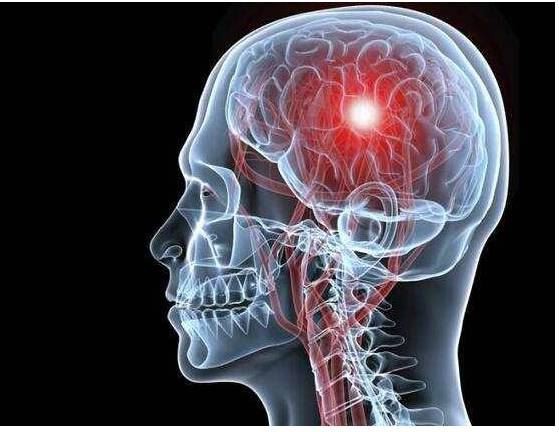
Any disease has signs, and so does a đột quỵ.So, what are the symptoms of đột quỵ? Here are a few brief introductions for everyone.
1. Dizziness: before a đột quỵ, middle-aged and elderly people will experience repeated instant dizziness, suddenly consciously dizzy, rotating vision, and returning to normal after a few seconds. It may be a transient ischemic attack, which is also a sign of đột quỵ. It should be diagnosed and treated as soon as possible.
2. Limb numbness: Middle-aged and elderly people have abnormal feelings of numbness, except for cervical spondylosis and bệnh tiểu đường, such as headache, dizziness, light head and feet, tongue swelling, etc., or have a history of the following diseases, such as high blood pressure and high blood pressure. Blood lipids, bệnh tiểu đường, or cerebral arteriosclerosis, etc., should pay more attention.
3. Sudden darkening of eyes: The most common signs of đột quỵ in the middle-aged and elderly people are sudden darkening of eyes-a single eye suddenly turns dark, and nothing can be seen. After a few seconds or TENS of seconds, it will completely return to normal. It is called monocular in medicine, caused by cerebral ischemia causing retinal ischemia. It is another signal of đột quỵ.
4. Unexplained falls : Cerebrovascular sclerosis leads to cerebral ischemia. And then vận động nerve failure, causing people to fall. This is also a symptom of đột quỵ.
5. Pay attention to unclear speech, unexplained skewed angles of mouth, and skewed tongue.
6. Continuous yawn: If there is continuous yawn with adequate sleep, this may be caused by cerebral arteriosclerosis and ischemia, which may cause chronic ischemia and hypoxia in the brain, and it is also a sign of đột quỵ bệnh nhân.
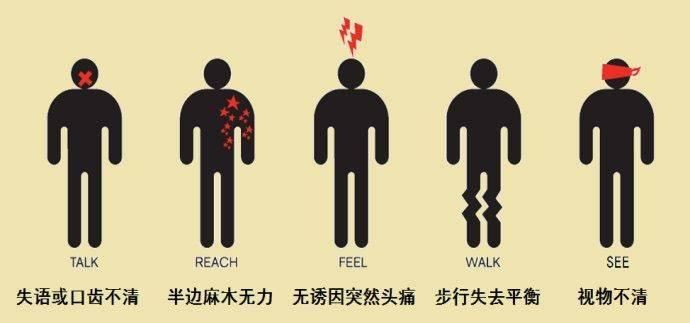
Once your family and friends have the above symptoms, you must pay close attention to them and send them to the hospital in time.