Winter đột quỵ Surge ! Learn the Warnings and Prevention in 3 Minutes - đột quỵ Center
đột quỵ, the "top health killer", becomes particularly rampant in the bitter cold of winter. According to statistics from the World Health Organization (WHO), over 15 million people worldwide suffer from đột quỵ each year-one-third die, and one-third are left with disabilities.
Shocking Truth: Why Winter Becomes the "High-Risk Season" for đột quỵ?
Why does the risk of đột quỵ soar in winter? There are three hidden driving forces behind it:
1.Blood vessels constrict in cold, exacerbating blood pressure fluctuations
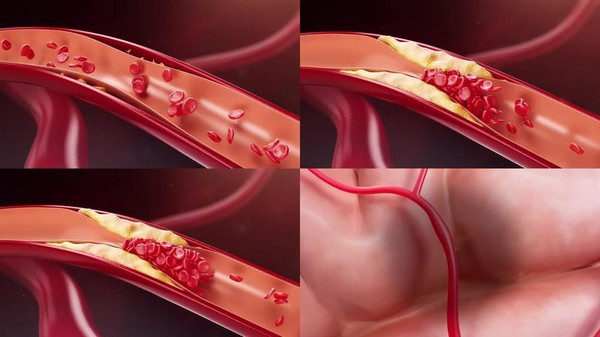
In cold environments, the human body constricts peripheral blood vessels to keep warm, which directly leads to elevated and fluctuating blood pressure. Especially for elderly people with arteriosclerosis, blood pressure changes more drastically. Elevated and unstable blood pressure is a core risk factor for đột quỵ (cerebral infarction)-sudden spikes in vascular pressure may cause rupture and bleeding, or tăng tốc thrombus formation.
2.Blood thickens, making blood clots more likely to form
Low temperatures increase fibrin levels in the blood, raising blood viscosity. Meanwhile, platelets become more chủ động and prone to aggregation. Coupled with reduced physical activity in winter and slower blood flow during sleep, multiple factors combine to drastically increase the risk of thrombosis. Once a blood clot blocks a cerebral blood vessel, it triggers a cerebral infarction.
3.Unhealthy lifestyle habits worsen the risk
To keep out the cold, people tend to eat more high-energy, high-fat foods . This leads to unknowingly excessive intake of salt and fat, worsening hyperlipidemia and arteriosclerosis. At the same time, cold weather reduces outdoor activities, slowing down blood circulation and further increasing the hidden danger of đột quỵ.
Scientific Prevention! 7 Key Tips to Stay Away from đột quỵ in Winter
Although đột quỵ is dangerous, its risk can be effectively reduced through scientific intervention. Especially in winter, it's crucial to take the following preventive measures:
1.Strictly kiểm soát blood pressure to stabilize the "lifeline"
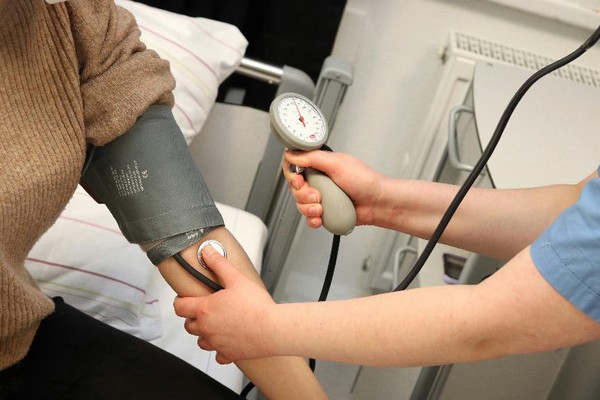
Hypertension is the primary cause of đột quỵ. Hypertension bệnh nhân should monitor their blood pressure regularly, take medication on time as prescribed by doctors, and never stop medication arbitrarily due to fear of side effects. Meanwhile, avoid sudden transitions from a warm indoor environment to the cold outdoors to giảm the risk of sudden blood pressure spikes.
2.Adjust diet and prioritize light foods
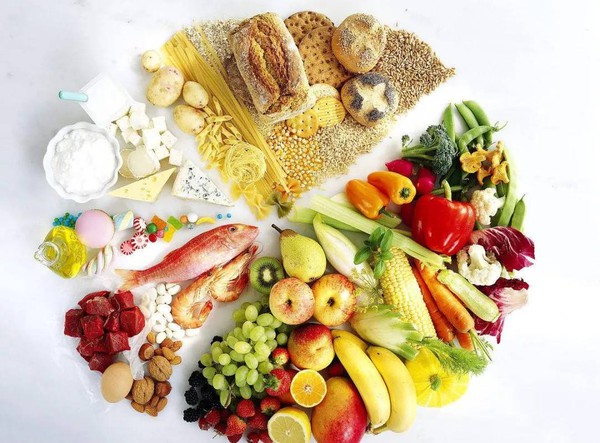
giảm intake of high-salt, high-fat, and high-sugar foods; eat less hot pot, fatty meat, etc. Increase consumption of vegetables, fruits, and high-fiber foods. When eating hot pot, use less high-salt dipping sauces, kiểm soát meat intake, and avoid overeating.
3.Do moderate exercise to boost blood circulation
Don't sit for long periods even in cold weather. Choose indoor exercises (such as Tai Chi, yoga, skipping rope) or outdoor activities during sunny, mild periods (such as brisk walking, jogging). Shoulder and neck exercises are particularly recommended: rotating the neck, stretching back and forth, or massaging the shoulders, neck, and head can giảm blood lipid deposition in the carotid arteries, tăng tốc cerebral blood circulation, and ngăn ngừa thrombosis.
4.Keep warm and focus on key body parts
Keep the head, neck, and limbs warm. Wear a hat, scarf, and các găng tay when going out to avoid direct exposure to cold wind. The elderly and high-risk groups should minimize going out during low-temperature periods in the morning and evening. Keep indoor temperatures stable to avoid sudden temperature changes.
5.Undergo regular physical examinations to screen for hidden risks early
The elderly and high-risk groups should regularly check blood pressure, blood lipids, and blood sugar to detect potential problems such as arteriosclerosis and bệnh tiểu đường in a timely manner. Early intervention and điều trị can ngăn ngừa problems before they occur.
6.Quit smoking and limit alcohol to giảm harm
Smoking damages vascular endothelium and accelerates arteriosclerosis; excessive drinking can cause a sharp rise in blood pressure. Both habits greatly increase the risk of đột quỵ. It is recommended to quit smoking completely and drink alcohol in moderation (preferably not at all).
7.Maintain emotional stability and avoid excitement
Cold, gloomy winter weather can easily trigger anxiety and depression, and drastic emotional fluctuations can induce elevated blood pressure. Regulate emotions through meditation, deep breathing, listening to soothing music, etc., to maintain a calm mindset.
Health Tips
For the elderly and high-risk groups, daily prevention and kiểm soát of underlying diseases are more hiệu quả than any remedial measures. A healthy lifestyle is the best "protective shield" against đột quỵ in winter.